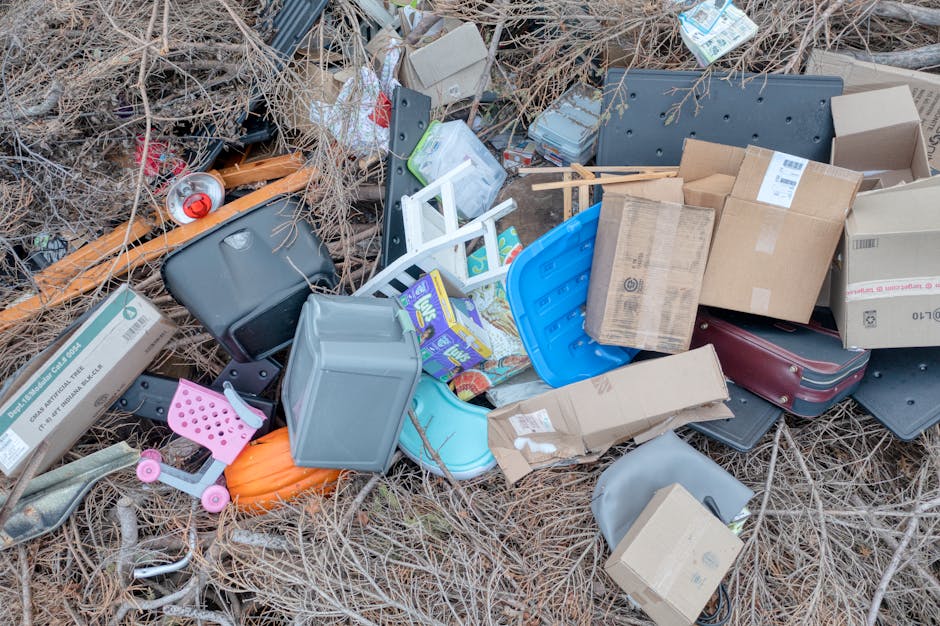
Bromley Council rules for bulky rubbish disposal near Penge
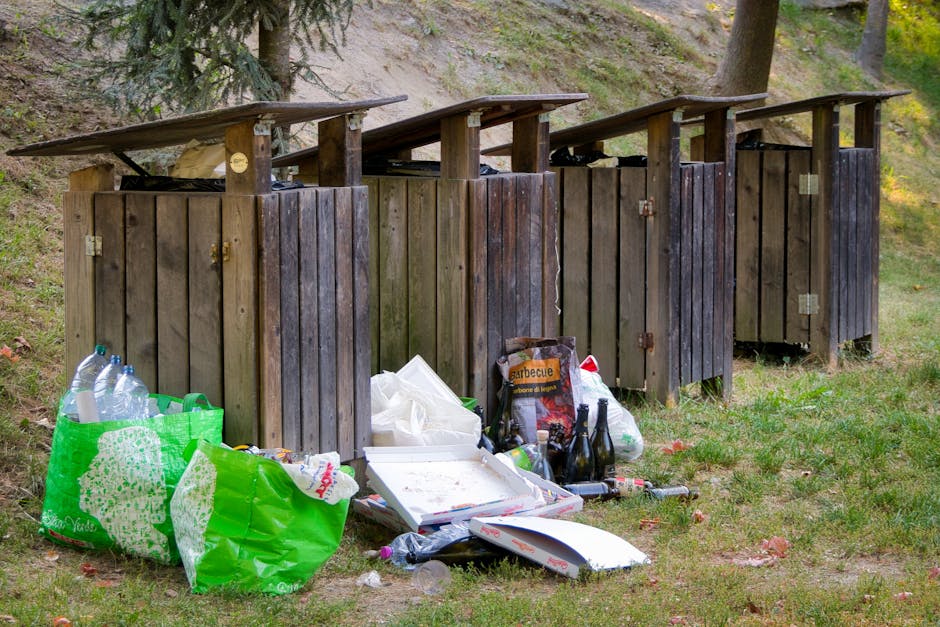
If you live near Penge and you are staring at an old sofa, a broken wardrobe, or a pile of awkward bits that simply will not fit in a wheelie bin, you are not alone. Bulky rubbish has a way of sitting in the hallway for days, then weeks, then somehow becoming part of the furniture. The Bromley Council rules for bulky rubbish disposal near Penge are there to help you deal with it properly, but the process is not always obvious at first glance.
This guide explains how bulky waste disposal normally works in the Bromley area, what to check before you book anything, what items are usually accepted or refused, and when a private clearance service may make more sense. A bit of planning saves hassle, money, and the sort of last-minute panic that comes when the collection date is tomorrow and the item is still buried under a lampshade and three bags of old toys. Let's keep it simple and practical.
Why Bromley Council rules for bulky rubbish disposal near Penge Matters
Bulky rubbish is not just "stuff that is too big for the bin". In practice, it covers larger household items that need special handling, and that is where council rules matter. A settee left on the pavement at the wrong time can become an obstruction. A fridge dumped without care can leak, smell, or attract fines if it is fly-tipped. And if you live in a block of flats near Penge, shared spaces make things even more sensitive.
The rules matter for three reasons. First, they help keep pavements and front gardens tidy and safe. Second, they reduce the risk of improper disposal, which can be a problem for both homeowners and landlords. Third, they make it clearer whether you should book a council bulky collection, use a local clearance service, or take items to a suitable facility yourself. To be fair, most people just want the thing gone without turning it into a weekend project.
There is also a local reality to consider. In and around Penge, properties vary from terraced houses with narrow front access to flats with stairwells and communal entrances. That affects how bulky items can be moved, whether they can be left out safely, and whether a collection crew can reach them without blocking neighbours or footpaths. Small detail, big difference.
Practical takeaway: the "right" way to get rid of bulky rubbish is the one that matches the item, the access, the timing, and the rules that apply where you live. Guessing is where trouble starts.
How Bromley Council rules for bulky rubbish disposal near Penge Works
While council procedures can change over time, the basic pattern is usually familiar across London boroughs. You normally need to book a bulky waste collection in advance, specify the items, and follow instructions on how and when to present them. Some items may be accepted, while others are restricted because of weight, contamination, electrical components, or safety concerns.
Here is the plain-English version: bulky waste collections are usually designed for household items that are too large for standard kerbside bins, such as sofas, tables, mattresses, wardrobes, and similar furniture. Heavier or specialist items, like fridges, freezers, gas appliances, or construction waste, may have different rules. That is where people often get caught out.
In a typical council process, you may need to:
- Check what items are eligible for collection.
- Book a slot and confirm the collection address.
- Place items in the approved location at the approved time.
- Separate items if the council asks you to do so.
- Ensure access is clear for the crew.
If you want to organise a broader property clearance rather than a one-off item removal, many households compare council collection with house clearance or home clearance options, especially when there are several large items, loft clutter, or a property being prepared for sale.
It is worth noting that the council route is often best for a small number of eligible household items. Once the job starts looking like a half-empty room, a garage full of debris, or an end-of-tenancy clear-out, the practical balance can shift quite fast.
Typical items that are often involved
- Old sofas and armchairs
- Beds and mattresses
- Wardrobes, chests of drawers, and tables
- White goods, where accepted under the relevant rules
- Broken furniture from a move or refurbishment
- Loose household clutter that has become too much for normal bins
That list is only a guide. Always check the current council guidance before leaving anything out. A good rule of thumb? If the item is heavy, sharp, wet, contaminated, or contains electrical parts, pause and verify first.
Key Benefits and Practical Advantages
Using the council rules properly can save time and avoid confusion. It sounds obvious, but many people do not realise how much smoother life gets once they follow the right disposal route.
- Predictable process: you know when the collection is due and what needs to be ready.
- Reduced risk: following the rules lowers the chance of a refused collection or a complaint from neighbours.
- Cleaner kerbside presentation: items are less likely to be abandoned in a way that blocks walkways.
- Better environmental handling: council-approved and licensed clearance routes usually support recycling and responsible disposal.
- Less stress: you can plan around the collection instead of making repeated trips with a car full of furniture. Which, let's face it, nobody really enjoys.
There is a second benefit that gets overlooked: the council route can be a sensible choice when you only have one or two items and you are not in a rush. On the other hand, if you are dealing with mixed items from a flat, shed, loft, or office space, a private clearance route may be more efficient. That is where comparing options matters.
If sustainability is important to you, it may also help to read about recycling and sustainability before deciding. Not every bulky item is just "waste"; some items can be reused, separated, or routed for materials recovery.
Who This Is For and When It Makes Sense
This topic is relevant to a surprisingly wide group of people. In our experience, it is not just homeowners. It includes tenants, landlords, letting agents, flat owners, business occupants with leftover furnishings, and families helping an older relative clear a property.
You may need to understand the rules if you are:
- Replacing a sofa, bed, or wardrobe
- Moving out of a rented property and need to leave it tidy
- Clearing out a garage, loft, or spare room
- Managing waste after minor home improvements
- Helping a relative downsize
- Preparing a property for sale or new tenants
For some people, the council collection route makes perfect sense. For others, especially those with multiple bulky pieces or awkward access, a direct clearance service may be the calmer option. A top-floor flat with no lift and a sofa that barely fits through the stairwell? That is exactly the kind of scenario where planning matters. A lot.
There is also a difference between one-off disposal and a broader clean-out. If you are dealing with furniture from one room, you may be looking at furniture disposal or furniture clearance. If the whole property needs attention, services such as flat clearance or loft clearance can be more practical.
Step-by-Step Guidance
Here is a simple way to approach bulky rubbish disposal near Penge without overthinking it.
1. Identify exactly what needs to go
Write down the items one by one. A sofa is not the same as a sofa bed, and a wardrobe is not the same as flat-pack timber. Small distinctions can matter when collections are booked or refused.
2. Check whether the item is suitable for council bulky collection
Look at the item type, its size, and whether it contains anything hazardous, electrical, or sharp. If it is a fridge, freezer, or a piece of waste from DIY work, check the guidance carefully. A lot of people assume "big item equals council collection", and that is where things go sideways.
3. Decide whether the council route is enough
If it is just one or two things, the council option may be enough. If there are several rooms involved, or the items are too awkward to move safely, a private clearance service may save time and lifting. You do not need to make the job heroic.
4. Prepare the items for collection
Move items to the agreed collection point only if that is what the rules allow. Make sure pathways are clear, and do not block shared access or neighbouring driveways. If an item has removable parts, such as glass shelves or loose cushions, secure them properly.
5. Separate different waste types if needed
Mixing everything together can create problems. For example, builders' offcuts, furniture, and general rubbish are not always treated the same way. If you have extra non-household waste, consider whether you need a more suitable route such as builders waste clearance or broader waste removal.
6. Keep proof of booking or instruction
That might sound a little dull, but it matters. If a collection is delayed, missed, or queried, having your booking details to hand makes life easier. No drama, just sensible housekeeping.
Expert Tips for Better Results
A few practical habits can make bulky rubbish disposal far easier, whether you use the council or another licensed route.
- Measure doorways before moving anything: this helps avoid damage and awkward lifting in narrow halls or staircases.
- Break down safe items first: where appropriate, reducing a wardrobe or bed frame into smaller parts can save space and time.
- Sort out reusable items: if something still has life left in it, consider keeping it separate from damaged waste.
- Photograph awkward items: a quick photo can help when you are checking collection suitability or requesting a quote.
- Think about neighbours: early-morning dragging noises through a terrace are memorable, and not in a good way.
One thing we notice all the time is that people underestimate access. A bulky item may be "fine" in the living room but impossible at the front gate. So check the route out of the property first, not after you have already started moving it.
If your situation involves a garden, shed, or outdoor clutter as well, a dedicated garden clearance may be more appropriate than trying to bundle everything into a single council-style collection. Likewise, garage overflow often needs a different approach, which is why garage clearance is often the neater option.
Common Mistakes to Avoid
Most bulky waste problems come from a few very ordinary mistakes. Nothing exotic. Just avoidable stuff.
- Leaving items out without checking the rules: this can lead to missed collections or complaints.
- Assuming every large item is accepted: appliances, DIY waste, and contaminated items may be treated differently.
- Underestimating the amount of waste: one sofa can become a sofa, mattress, chair, and side table before you know it.
- Blocking pavements or entrances: shared access areas near Penge can become awkward quickly.
- Forgetting about lifting risks: heavy furniture can cause injury, especially on stairs.
- Mixing bulky waste with business waste: if the items came from an office or trade setting, a different disposal route may be needed.
There is also a subtle mistake people make when they are in a hurry: they choose the cheapest-looking option without checking what is actually included. Sometimes that works out fine. Sometimes it becomes a second booking, and suddenly cheap is not cheap at all.
Tools, Resources and Recommendations
You do not need specialist equipment for every bulky waste job, but a few basic tools can make the process safer and calmer.
- Measuring tape: useful for checking whether items fit through doorways or stair turns.
- Gloves: helpful if you are handling dusty, splintered, or old items.
- Blankets or moving covers: good for protecting walls and floors when shifting furniture.
- Heavy-duty bags: handy for loose smaller waste that will accompany the larger items.
- Phone camera: useful for recording item condition before disposal or collection.
For larger or mixed clearances, practical reading on pricing and quotes can help you compare the cost of a single bulky item collection with a more comprehensive service. If the matter involves a business premises, business waste removal may be the better fit.
And if you care about how items are handled once they leave your property, it is worth looking at a company's insurance and safety standards and general operating approach. That is especially useful when furniture has to be carried through tight internal spaces or shared communal areas.
Law, Compliance, Standards, or Best Practice
This area sits within normal UK waste management practice, so caution is sensible. Waste should be handled by the correct route, and anyone arranging removal should make sure the disposal method is lawful and suitable for the material involved. The general principle is straightforward: do not leave waste in a public place without permission, and do not hand it to anyone who cannot demonstrate a legitimate disposal method.
For householders near Penge, the most important compliance points are usually practical ones:
- Only present waste in the way the collection provider instructs.
- Do not put prohibited items out for a standard bulky collection.
- Keep access safe and do not create obstruction.
- Use a licensed, responsible disposal route for anything not handled by the council.
If your clearance includes dismantled furniture, mixed rubbish, or leftover materials from home improvement work, keep in mind that different waste types may need different handling. That is where people sometimes need to separate household bulky waste from construction debris. For example, a broken wardrobe is not the same as plasterboard and tiles.
Best practice is fairly simple: identify the item, match it to the right disposal route, and avoid guessing. The law may feel abstract until a collection is refused or an item is left in the wrong place. Then it becomes very real, very quickly.
Options, Methods, or Comparison Table
There are usually three sensible options for bulky rubbish disposal near Penge: use the council collection service, hire a clearance team, or move the items yourself to an appropriate disposal point if that is feasible and allowed. Each option has trade-offs.
| Option | Best for | Advantages | Limitations |
|---|---|---|---|
| Council bulky collection | One or two acceptable household items | Simple for small jobs, familiar process, good for planned disposal | May have item restrictions, booking lead times, and presentation rules |
| Private clearance service | Multiple items, awkward access, full-room clearances | More flexible, can handle mixed loads, less lifting for you | Usually costs more than the council route |
| Self-transport | People with the right vehicle and time | Direct control, immediate removal | Labour, loading risk, disposal site rules, and vehicle limitations |
If the job is really about a whole property rather than a couple of items, a more complete service such as house clearance may be a better match than trying to piece together several separate collections. Truth be told, once you get beyond a few items, convenience starts to matter more than people expect.
Case Study or Real-World Example
Here is a realistic example from the kind of situation people in and around Penge often face.
A couple living in a first-floor flat had replaced a sagging sofa, a mattress, and a broken dining chair set. The old items were stacked in the living room for a week, and every evening they looked larger. You know the feeling. They first assumed a council collection would cover everything. After checking the item types and access, they realised the sofa and mattress were the main bulky pieces, but the stairwell and tight landing meant getting them downstairs would be awkward without help.
They compared the council route with a dedicated clearance option and chose the one that suited the access situation better. The old furniture was removed in one visit, and the flat was left clear rather than half-finished. No damage to walls, no arguments in the stairwell, no Sunday spent dragging a sofa around in circles. That is the real win.
The useful lesson here is not that one method is always best. It is that access, quantity, and item type should shape the choice. If your clear-out includes more than one category of waste, the final answer may be a blend of services rather than a single collection.
Practical Checklist
Use this quick checklist before you arrange bulky rubbish disposal near Penge.
- Have I listed every item that needs to go?
- Do I know which items are accepted and which may be restricted?
- Have I checked whether the items are household waste, furniture, electricals, or construction-related?
- Is the access route clear for collection?
- Can the item be dismantled safely to make removal easier?
- Have I separated anything reusable or recyclable?
- Do I have booking details, photos, or measurements if needed?
- Would a council collection be enough, or is a fuller clearance more realistic?
- Am I keeping pathways, pavements, and shared spaces unobstructed?
- Have I chosen a disposal method that feels safe, lawful, and practical?
If you can tick most of those off, you are usually in good shape. If several boxes are still blank, pause and sort that out before anything is put outside.
Conclusion
Bromley Council rules for bulky rubbish disposal near Penge are mostly about getting the right item to the right place, in the right way, without creating a nuisance or a safety issue. That sounds straightforward, and often it is. But the details matter: item type, access, timing, and whether the waste is genuinely suitable for council collection.
For a small number of acceptable household items, the council route can be sensible and tidy. For bigger clear-outs, awkward furniture, or mixed waste, a private clearance service may be the more efficient choice. The best result is not just "gone"; it is gone properly, without stress, damage, or second-guessing.
If you are comparing options for furniture, loft clutter, household waste, or a fuller property clear-out, it can help to look at the related services and choose the route that fits your situation rather than forcing the waste into the wrong box.
Get a free quote today and see how much you can save.
Sometimes the calmest solution is the one that lets you close the door, make a cup of tea, and enjoy the extra space without another thought.
Frequently Asked Questions
What counts as bulky rubbish near Penge?
Bulky rubbish usually means large household items that are too big for normal bins, such as sofas, beds, wardrobes, tables, and some appliances. The exact list depends on the collection rules in force at the time, so it is always worth checking before you book.
Can I leave bulky items on the pavement for collection?
Only if the collection instructions specifically say you should. Leaving items out without permission can cause an obstruction and may lead to problems with collection or complaints from neighbours.
Will Bromley Council collect a fridge or freezer?
Sometimes specialist appliances are handled differently from standard furniture. Fridges and freezers can involve separate treatment because of their components, so you should confirm the current rules before relying on a bulky waste booking.
How many items can I put out for bulky waste collection?
That depends on the council's current booking terms and the type of item. Some collections are limited by number, size, or category. If you have several rooms' worth of waste, a broader clearance may be a better fit.
Is council bulky waste collection cheaper than private removal?
Usually the council route is cheaper for a small number of eligible items. Private removal often costs more, but it can be better value when you have multiple items, difficult access, or a wider clearance job.
What should I do if my item is too heavy to move safely?
Do not force it. Heavy furniture, especially on stairs or in narrow halls, is a common source of damage and injury. If you cannot move it safely, consider a clearance service that includes lifting and removal.
Can I mix furniture with builders waste?
Not always. Furniture, general household waste, and builders' waste can be treated differently. If your clearance includes timber, rubble, plasterboard, or similar debris, it may need a separate route such as builders waste clearance.
Do I need to dismantle furniture before disposal?
Sometimes it helps, but only if it can be done safely. Breaking down a table or wardrobe can make removal easier, yet it is not worth damaging the item or risking injury just to save a bit of space.
What happens if I put the wrong item out?
The collection may be refused, delayed, or left behind. In some cases, you may need to arrange another booking or choose a different disposal method. It is better to check first than to deal with a half-successful collection later.
When is a house clearance better than a bulky waste collection?
If you are clearing more than one room, dealing with mixed furniture, or preparing a property for sale or new tenants, house clearance is often more efficient than arranging several separate bulky item collections.
How do I choose between council collection and a waste removal service?
Think about the number of items, the access to the property, how quickly you need the work done, and whether the items are all eligible for council collection. If the answer starts getting complicated, a flexible waste removal service may be the easier option.
What if I also need to clear a garage, loft, or office?
Then it may be worth looking at specialist options such as garage clearance, loft clearance, or office clearance. Those services are often a better match than trying to force everything into one bulky waste booking.