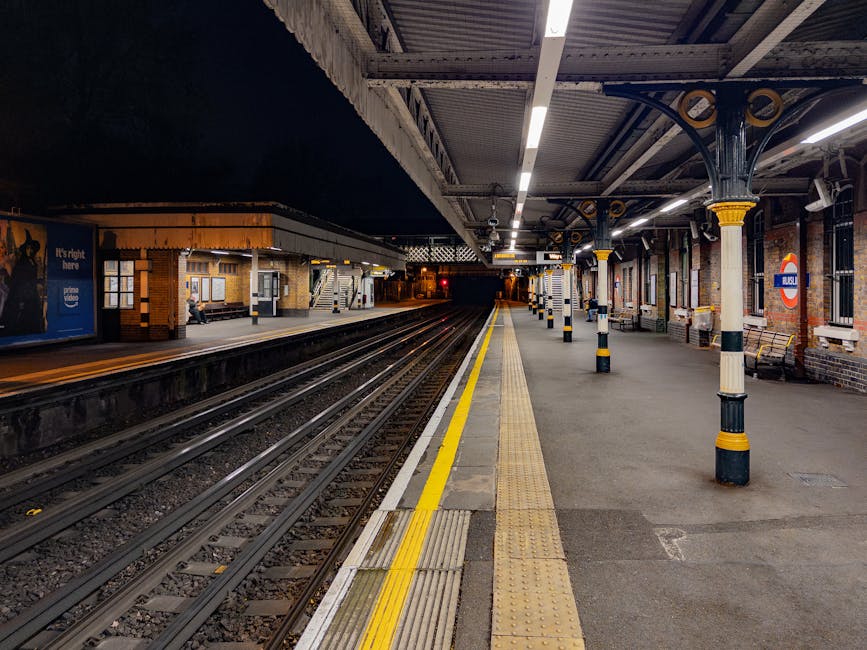
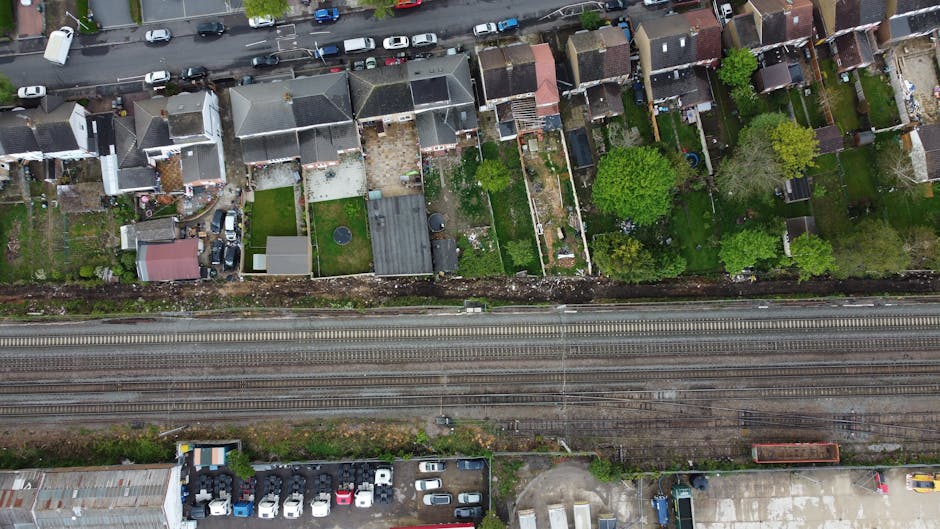
Penge rubbish removal guide for Penge West station homes
If you live near Penge West station, rubbish removal can feel oddly more complicated than it should. Narrow side streets, limited parking, basement flats, shared entrances, and the usual London habit of filling up a hallway with "stuff to sort later" all change the job a bit. This Penge rubbish removal guide for Penge West station homes walks you through how to clear waste safely, legally, and without making the process harder than it needs to be.
Whether you're dealing with a post-renovation pile, a sofa that won't fit down the stairs, or a garden clear-out after a wet weekend, the right approach saves time and stress. It also helps you avoid fly-tipping, missed collections, and awkward last-minute scrambles. Truth be told, most people don't need a perfect system - they just need a sensible one.
In this guide, you'll find a practical step-by-step process, local considerations for homes around Penge West station, a comparison of removal options, and a few real-world tips that make a difference on the day. If you want to explore related services too, you may also find the rubbish removal service overview useful, along with the waste removal options page and the house clearance service for bigger projects.
Table of Contents
- Why Penge rubbish removal guide for Penge West station homes Matters
- How Penge rubbish removal guide for Penge West station homes Works
- Key Benefits and Practical Advantages
- Who This Is For and When It Makes Sense
- Step-by-Step Guidance
- Expert Tips for Better Results
- Common Mistakes to Avoid
- Tools, Resources and Recommendations
- Law, Compliance, Standards, or Best Practice
- Options, Methods, or Comparison Table
- Case Study or Real-World Example
- Practical Checklist
- Conclusion
- Frequently Asked Questions
Why Penge rubbish removal guide for Penge West station homes Matters
Homes around Penge West station often have a very particular waste-removal reality. You might be in a Victorian terrace with a narrow front path, a flat above a shop, a converted building with shared stairs, or a family home where the loft has quietly become a museum of old boxes and broken lamps. None of that is unusual. But it does mean rubbish removal needs a bit of planning.
The obvious reason this matters is convenience. A cluttered home is hard to clean, harder to renovate, and frankly not much fun to live in. The less obvious reason is compliance and safety. Waste left in the wrong place, moved at the wrong time, or handed to the wrong person can turn into a nuisance very quickly. London streets are busy. Pavements are shared. And neighbours notice things. They always do.
For Penge residents, the goal is not just "get rid of junk." It is to handle unwanted items in a way that works around parking restrictions, building access, council collection rules, and the quirks of local housing stock. That is why a local guide matters more than a generic one.
There is also a time factor. If you're preparing for a tenancy changeover, a probate clear-out, a renovation, or a new baby arriving in a cramped flat, delays can be expensive or simply exhausting. A clean-out planned well can remove a surprising amount of pressure. You notice it in the room too - the space feels quieter somehow.
For more context on related property-specific work, the flat clearance service and garden waste removal guide can be helpful if your job involves more than standard household rubbish.
How Penge rubbish removal guide for Penge West station homes Works
At a practical level, rubbish removal for homes near Penge West station usually follows a simple pattern: identify what needs removing, separate what can be reused or recycled, check access and parking, then choose the right removal method. Sounds obvious, yes, but most of the work is in the details.
Some jobs are straightforward. A one-bedroom flat with a few black bags, an old mattress, and a coffee table can often be cleared very quickly. Other jobs need more care, especially if the waste includes bulky items, mixed materials, or anything that may need specialist handling such as electricals, plasterboard, paint, or heavy builders' waste.
The process generally looks like this:
- Survey the waste - make a simple list of items and roughly estimate volume.
- Sort what stays and what goes - reuse, donate, recycle, dispose.
- Check access - stairs, lifts, narrow halls, front garden gates, and parking space all matter.
- Decide on a method - council collection, skip, man and van, or a full clearance team.
- Prepare the space - clear a path, protect floors if needed, and keep valuables separate.
- Load and remove - ideally in one visit, with the waste taken to a licensed facility.
For many householders, the biggest decision is whether to do it yourself or use a professional team. DIY can work for small loads and regular recycling, but it gets tricky when you have bulk, awkward access, or little time. Professional help is usually most useful when the waste is heavy, numerous, or emotionally draining - probate clearances are a good example. Nobody wants to spend a Sunday arguing with a wardrobe that has survived three houses and a damp patch.
If your project is larger, the probate clearance service and office clearance page may also be relevant if the waste comes from an inherited property or a home office conversion.
Key Benefits and Practical Advantages
The best rubbish removal service is not just about getting rid of clutter. It creates breathing room in your home and reduces friction across the whole project. That may sound grand, but in practice it's very ordinary and very useful.
- Less stress: You stop seeing the same pile every morning.
- Faster room use: Clear a bedroom, spare room, or loft and it becomes usable again.
- Better safety: Fewer trip hazards, less clutter, cleaner access for tradespeople.
- Improved recycling: A thoughtful sort often keeps more material out of general waste.
- Local convenience: A team used to London access issues can work around parking and timing constraints.
- Less lifting for you: Handy if the items are awkward, dusty, or just too much.
There's another benefit people often miss: momentum. Once the unwanted items are gone, the rest of the project becomes easier. Painting feels more realistic. Cleaning feels worth doing. A room that felt stuck starts moving again.
That matters in flats near Penge West station, where space is often at a premium. A hallway with a few bags can make the whole place feel smaller. Clear it, and the home changes shape. Strange, but true.
If you are comparing broader service scopes, take a look at the commercial waste removal service for business-related jobs or the bulky item removal page for oversized furniture and appliances.
Who This Is For and When It Makes Sense
This guide is for anyone living near Penge West station who needs practical, local rubbish removal advice. That includes homeowners, tenants, landlords, letting agents, and anyone dealing with a one-off clear-out or a recurring waste problem.
It makes sense especially when:
- you are moving house and need the property cleared quickly
- you are refreshing a flat before new tenants arrive
- you have bulky furniture that won't fit in a car
- you're clearing a loft, shed, cellar, or spare room
- you're dealing with renovation debris after decorating or repairs
- you want a cleaner, safer space without spending your weekend hauling bags around
It also makes sense when access is awkward. Near a station, even a small job can be annoying if parking is tight or the entrance is shared. A single sofa removal can become a half-day mission if you are doing it alone. Not impossible, just irritating.
Landlords and managing agents often need a cleaner process too. If a tenant leaves items behind, the question is not only how to remove them, but how to do it fairly and efficiently while keeping a record of what happened. For those cases, a broader landlord clearance service can be worth reviewing.
Step-by-Step Guidance
Here's a simple way to tackle rubbish removal without overthinking it. The point is to keep the job moving, not to design a perfect system you'll never actually use.
1. Walk through the property and make a pile list
Start room by room. Write down what needs removing, and if possible group the items into categories: furniture, bags, electricals, garden waste, DIY waste, general clutter. That simple sort makes quotes more accurate and helps you spot anything that needs special handling.
2. Separate reusable items from true waste
A surprising amount of "rubbish" is not really rubbish. Books, working small appliances, clean textiles, and usable furniture may be suitable for donation or resale. Even if you do not want to manage that yourself, separating it before collection is sensible. It can reduce waste, and sometimes reduce cost too.
3. Check access and parking before the day
Near Penge West station, access can be the deciding factor. Can a van stop near the property? Are there permits required? Is the route to the front door clear? Do you have a key for the side gate or a shared hallway? These are small questions, but they save real time.
4. Decide whether you need a partial or full clearance
A partial clear-out may be enough if you only need bulky waste taken away. A full clearance is better when you want everything removed from a room, loft, or entire property. If you are not sure, describe the job in plain English. "I've got three mattresses, a wardrobe, eight bags, and a broken fridge" is far more useful than "quite a bit of stuff."
5. Prepare items for quicker removal
Bag small waste, detach what you safely can, and place items in a sensible spot. If possible, keep a path clear from the items to the exit. A little prep makes the removal faster and tidier. It also helps with safety, especially on stairs or in tight hallways.
6. Confirm disposal routes
You want waste to go somewhere proper, not into a mystery pile. Reputable operators should use licensed facilities and handle recyclable materials appropriately. If you are arranging your own disposal, check the accepted materials and opening times before you load the car. Nothing worse than arriving with a boot full of mixed waste and finding the site won't take half of it.
7. Final check after clearance
Once the waste is gone, walk the area again. Check corners, behind doors, under beds, and in loft hatches. Tiny bits have a way of hiding. It's always the one loose cable or battered plant pot you forget about.
Expert Tips for Better Results
After enough clearances, a few practical patterns become obvious. These are the small things that make the day smoother.
- Take photos before you start. They help with planning, quoting, and avoiding confusion about what was there.
- Keep hazardous items separate. Paint, solvents, batteries, and sharp materials should never be mixed with ordinary household rubbish.
- Book with realistic timing. If you need access around school runs, train times, or work deliveries, say so early.
- Use one central staging point. One tidy pile is easier than six small ones spread through the flat.
- Think ahead about lifting routes. A bulky item may turn awkward at the hallway bend long before it reaches the door.
- Leave a little buffer. If you think you have five bags, plan as though it might become seven. It often does.
One useful local habit: if you live in a shared building, let neighbours know if the hall or entrance may be busy for a short period. That little bit of courtesy goes a long way. London living can be close-quarters; a friendly heads-up keeps things calm.
And if you're sorting different waste types, the same-day rubbish removal service can be worth considering when timing is tight, especially before a handover or inspection.
Common Mistakes to Avoid
Most rubbish removal problems are not dramatic. They are small planning errors that snowball. The good news? They're usually avoidable.
- Underestimating volume: A few bags on the floor often hide a lot more once sorted.
- Forgetting access constraints: Stairs, narrow landings, parked cars, and shared entrances matter more than people expect.
- Mixing hazardous and general waste: This can create safety issues and disposal problems.
- Leaving everything to the last minute: Especially risky before a move-out or renovation start date.
- Not checking what must stay: Spare keys, documents, chargers, and tools get thrown out in a rush. Annoying, that.
- Assuming all collection methods are equal: Some jobs suit a skip, some suit a loading team, some suit a targeted bulky-item pickup.
Another common issue is emotional attachment. Sounds soft, but it matters. A room clearance can stir up memories, and that can slow people down. If that happens, work in smaller batches. Decide what to keep before you bring in the removal team. It's kinder to yourself, and the job gets easier.
Tools, Resources and Recommendations
You do not need fancy equipment for most household rubbish removal jobs, but a few basics help.
- Heavy-duty bags: Better for mixed household waste and small breakables.
- Gloves: Useful for dusty loft items, old furniture, and garden debris.
- Marker pen and labels: Handy for sorting keep/donate/remove piles.
- Tape measure: Useful for checking whether a bulky item can get through a doorway.
- Blankets or floor protection: Helpful for protecting hallways during movement.
- Phone camera: Simple, but great for planning and record-keeping.
For London households, local authority guidance on recycling, bulky item collections, and restricted materials is worth checking before you start. Rules vary by borough and can change. If you need a specific collection or a larger property sweep, the end of tenancy clearance page and rubbish clearance service overview are good places to compare options.
A practical recommendation: keep a simple "do not remove" zone. One corner, one box, one table. Put passports, documents, chargers, keys, and anything sentimental there. It sounds almost too basic, but it saves grief.
Law, Compliance, Standards, or Best Practice
Waste removal in the UK is not just a matter of chucking things away. If you are arranging disposal, it is sensible to use reputable carriers and disposal routes, especially for mixed household waste, electrical items, and anything that may be classed as hazardous.
For everyday household rubbish, best practice usually means:
- using a licensed waste carrier or a clearly lawful collection method
- keeping records or receipts where appropriate
- separating recyclable materials where practical
- not mixing sharp, dangerous, or chemical items with normal refuse
- checking local council guidance for special items and bulky waste
If you hire someone to remove waste, it is fair to ask how they dispose of it. That is not being awkward; it is sensible. Fly-tipped waste can come back to bite the original owner if it was handed to the wrong person. Better to ask the plain question now than worry later.
For properties near Penge West station, practical compliance also includes neighbour relations and access management. Keep paths clear, avoid blocking shared entrances, and plan collection windows with respect for the people around you. A tidy job is not just cleaner. It's more neighbourly, and that still counts.
Options, Methods, or Comparison Table
There is no single best method for every home. The right choice depends on how much you need removed, how fast it needs to happen, and how easy access is. Here's a plain-English comparison.
| Method | Best for | Pros | Watch out for |
|---|---|---|---|
| Council bulky waste collection | Smaller, planned household items | Structured and familiar | May have lead times and item limits |
| Skip hire | DIY projects, builders' waste, ongoing jobs | Good for larger volumes | Space, permits, loading effort |
| Man and van rubbish removal | Bulky items, mixed loads, quicker clearances | Convenient, often flexible | Make sure the service is properly licensed |
| Full house or flat clearance | Moves, probate, end-of-tenancy, major decluttering | Comprehensive and time-saving | Needs more planning and clearer instructions |
If you are just clearing a couple of items, the smallest solution is usually best. If you are staring at three rooms of mixed clutter and asking yourself where the weekend went, a fuller service may be the saner choice. No drama. Just be realistic.
Case Study or Real-World Example
Here's a typical local scenario. A couple in a two-bedroom flat near Penge West station had just finished redecorating. The old sofa was stained, the spare room held broken shelving, and the hallway was lined with bags of packaging, odd bits of timber, and a chest of drawers that had clearly seen better decades.
The awkward part was access. The flat was on the first floor, with a tight stairwell and no easy place to leave items outside. They also had a narrow window between work commitments and an evening train arrival pattern that made timing a bit fiddly. Nothing unusual - just one of those London situations where everything is possible, but not all at once.
They solved it by sorting items into three groups: keep, recycle, and remove. They measured the drawer unit, checked that the van could park nearby, and moved the most awkward items first. The result was a quicker clearance, fewer surprises, and a room ready for new furniture the next day. The relief, apparently, was immediate. You could almost hear the house exhale.
The lesson is simple: the more you plan the boring details, the smoother the whole thing becomes. And boring details are the whole game here.
Practical Checklist
Use this checklist before booking or starting a rubbish removal job near Penge West station.
- List every item or waste type you want removed
- Separate reusable, recyclable, and disposable items
- Check for hazardous materials, batteries, liquids, or sharp objects
- Measure bulky furniture against doorways and stair turns
- Confirm access arrangements and parking space
- Notify neighbours if shared hallways or entrances may be used
- Protect floors, bannisters, and corners if needed
- Keep valuables and documents in a separate safe place
- Ask how the waste will be handled and where it will go
- Plan what you will do with the cleared space afterwards
Expert summary: Good rubbish removal is mostly about preparation, access, and choosing the right method. Get those three right, and the rest is usually far less stressful than people expect.
Conclusion
The best Penge rubbish removal guide for Penge West station homes is the one that keeps your life simple. That means understanding your waste, planning for local access issues, using a proper disposal route, and choosing the least complicated method that still gets the job done well.
For small clear-outs, a basic collection may be enough. For bigger moves, renovations, or full property clean-ups, a more structured service can save a lot of time and effort. Either way, the principle is the same: sort carefully, book sensibly, and don't leave the job to the last minute if you can help it.
If you are still weighing up your options, compare the type of waste, the access at your home, and how quickly you need the space back. That simple three-part check will steer you in the right direction more often than not. And once the clutter is gone, the room really does feel different. Lighter. Calmer. Better.
Get a free quote today and see how much you can save.
Sometimes the smallest clear-out is the start of a much easier week. And honestly, that can be a lovely feeling.
Frequently Asked Questions
What is the easiest way to handle rubbish removal for a flat near Penge West station?
For most flats, the easiest option is usually a targeted collection that suits the amount and type of waste you have. If access is tight or you have bulky items, a man-and-van style service or full clearance can be more practical than trying to move everything yourself.
Do I need to sort recyclable items before rubbish removal?
It helps a lot, even if you are not doing a perfect sort. Separating cardboard, metal, wood, reusable furniture, and electricals can make disposal easier and may reduce the amount of general waste. It also makes the job feel less chaotic, which matters more than people think.
How do I know if I need a full clearance or just a rubbish collection?
If you only have a few bags or a couple of bulky items, a simple collection may be enough. If you need entire rooms, lofts, sheds, or multiple types of waste cleared, a full clearance is often the better fit. A good rule: if you're starting to make three separate piles, it's probably bigger than a quick pickup.
Can rubbish removal deal with sofas, mattresses, and appliances?
Yes, these are common items for removal, but they may need separate handling depending on condition and material. Mattresses, white goods, and large furniture can be awkward to move and should be quoted accurately. Always mention them in advance so there are no surprises on the day.
What should I do with paint, batteries, or other hazardous items?
Keep them separate from normal household rubbish. Hazardous items often need special handling, and they should not be mixed into general waste bags. If in doubt, ask before collection. That one question can prevent a lot of trouble later.
Is rubbish removal near Penge West station affected by parking or access issues?
Very often, yes. Station-area streets can be busy, and parking can be limited. If you can share access details in advance, the collection can usually be planned more efficiently. Little things like a narrow hallway or shared entrance can change the whole job.
How far in advance should I book rubbish removal?
For normal jobs, booking a little ahead is wise, especially if you need a specific day or time. If your project is tied to a move-out, inspection, or renovation start date, allow more time. Same-day help can sometimes be available, but it is best not to rely on luck.
Can I use rubbish removal for end-of-tenancy clearance?
Yes, and it is one of the most common reasons people book. End-of-tenancy work often includes furniture, bags, old household items, and a final sweep of mixed waste. A proper clearance helps you hand the property back in a cleaner state and reduces last-minute stress.
What happens if I leave rubbish outside on the pavement?
That is usually a bad idea. It can create nuisance, attract complaints, and in some cases lead to fly-tipping issues if it is not collected promptly and properly. Keeping waste on private property until collection is normally the safer and tidier approach.
How can I reduce rubbish removal costs?
Sorting waste in advance, separating recyclables, and removing personal items yourself can all help. Accurate descriptions also matter because they prevent wrong-sized bookings. If you are tidy about the pile before collection, the whole thing tends to run more smoothly.
Is it worth using a professional service for just one bulky item?
Often, yes, especially if the item is heavy, awkward, or difficult to move safely. One sofa or wardrobe can be more troublesome than five bags of rubbish. If it will damage your back, your walls, or your mood, it may be worth getting help.
What should I ask before hiring a rubbish removal company?
Ask what types of waste they take, how access is handled, whether they use licensed disposal routes, and whether the quote covers loading and disposal. Those basic questions give you a clear picture of what to expect. No need for a long interview, just the essentials.