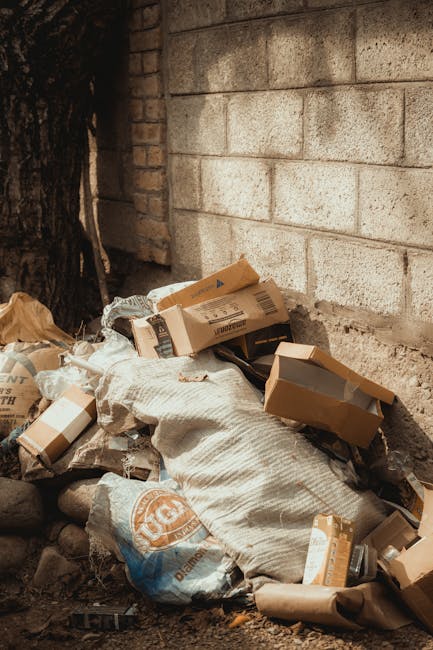
Permits and fines for Penge builders rubbish removal explained
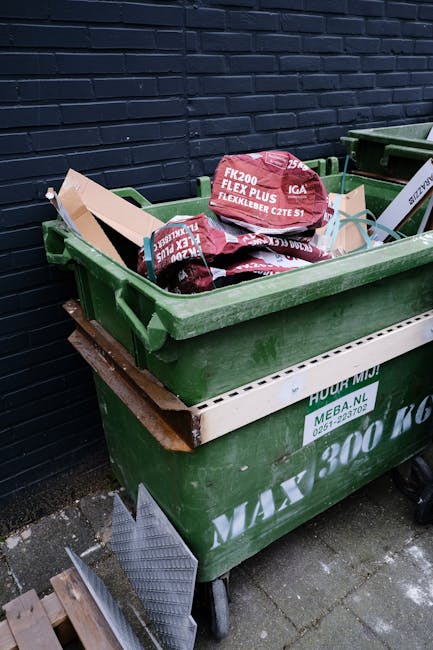
If you are planning a renovation, extension, or even a fairly small refit in Penge, builders rubbish removal can become the part nobody budgets properly for. One minute you are looking at broken plasterboard and old timber, the next you are wondering whether a skip needs a permit, who is responsible if waste blocks the pavement, and how fines happen in the first place. That is exactly what this guide clears up.
In plain English, this article explains the rules around permits, the most common causes of fines, and the practical ways to stay compliant without making the job harder than it needs to be. You will also see where professional builders waste clearance can make life easier, especially when space is tight and the street is busy. Truth be told, that is most of the time in London.
We will keep this local, useful, and realistic. No legal waffle for the sake of it. Just the stuff homeowners, landlords, builders, and small contractors actually need to know before the rubble starts piling up.
- Why permits and fines matter
- How the rules usually work
- Benefits of handling waste properly
- Who needs this advice most
- Step-by-step guidance
- Expert tips
- Common mistakes to avoid
- Tools, resources and recommendations
- Compliance and best practice
- Options and comparison
- Real-world example
- Practical checklist
- Conclusion
- Frequently asked questions
Why Permits and fines for Penge builders rubbish removal explained Matters
Builders waste is not just "rubbish". It often includes heavy, awkward, and potentially messy material such as rubble, tiles, soil, timber, metal offcuts, insulation, packaging, and old fixtures. In a place like Penge, where roads can be narrow, parking is limited, and front gardens are often small, waste handling can turn into a nuisance very quickly.
That matters for three reasons. First, there is the legal side: waste stored or placed incorrectly can lead to enforcement action. Second, there is the safety side: loose rubble, sharp edges, and obstructed footpaths create genuine hazards. Third, there is the practical side: a project can stall if you have nowhere to keep materials or no plan for collection.
It is also worth saying this: fines are usually not the result of one dramatic mistake. They tend to happen because several small things were ignored. A skip sits out longer than expected. Waste spills onto the pavement. A contractor uses an unlicensed carrier. Or someone assumes "it will be fine for a day or two" and, well, it is not.
Expert summary: The safest approach is simple: plan waste removal before the job starts, check whether a permit is needed if anything goes on the public highway, and use a reputable clearance service when access, speed, or compliance is more important than DIY disposal.
How Permits and fines for Penge builders rubbish removal explained Works
The basic principle is straightforward. If builders waste stays entirely on your private property and is collected by a compliant service, the process is usually quite smooth. If waste or containers go onto the road, pavement, verge, or any other public space, permission may be needed. That is where permits enter the picture.
For skips, scaffold loading bays, or any temporary obstruction of a public area, the local authority may require a permit. The exact process depends on the site, the size of the skip, the road conditions, and the duration. You should never assume that because other people in the street have had skips before, no permit is needed. Different circumstances, different outcome.
Fines usually come from one of these situations:
- a skip or heap of waste placed without the correct permission
- waste overflowing into the highway or blocking pedestrians
- builders rubbish dumped by an unregistered or irresponsible carrier
- fly-tipping, even if the original owner of the waste thought it was being "sorted out"
- poor storage that causes litter, leakage, or obstruction
In practice, many households in Penge choose a direct clearance option rather than juggling permits, skip space, and loading issues. A service such as waste removal can be the neater solution when waste needs collecting quickly and you would rather not leave a container outside for days. It can feel like one less thing to babysit. And honestly, that matters mid-project.
Key Benefits and Practical Advantages
There is a reason organised builders rubbish removal pays off. It is not just about avoiding penalties. It helps the whole project run better.
Cleaner sites are safer sites. When materials are removed regularly, people are less likely to trip, cut themselves, or damage nearby surfaces.
Neighbours are less likely to complain. Nobody enjoys looking at a pile of broken brick and plasterboard outside their window for a week. In terraced streets, that can become awkward fast.
You reduce the risk of administrative mistakes. The fewer moving parts, the fewer opportunities to miss a permit, overfill a skip, or leave waste where it should not be.
Work progresses faster. Builders tend to work better when they are not stepping over old bath panels and sacks of rubble all day.
It can support recycling and better sorting. Well-managed collection usually means waste is separated more sensibly, which is better for disposal and better for the environment. If that matters to you, have a look at recycling and sustainability.
There is also a less obvious benefit: fewer surprises. That alone is worth a lot. Anyone who has stood in a wet driveway at 7:30 in the morning, looking at a skip delivery that cannot fit because of parked cars, knows the feeling. Not ideal.
Who This Is For and When It Makes Sense
This topic matters to a wider group than you might think. If you are carrying out any kind of building work in Penge, the rules and the risk of fines can affect you.
- Homeowners doing renovations, knock-throughs, bathroom refits, or kitchen rip-outs
- Landlords clearing a property after maintenance or refurbishment
- Builders and tradespeople managing ongoing site waste
- Property managers responsible for keeping shared areas safe and tidy
- Small businesses fitting out premises or clearing back rooms after works
It makes sense when waste volume is too much for normal bins, when the material is bulky or heavy, or when access is awkward. It also makes sense if you do not want a skip on the road, either because space is tight or because you want a quicker, less visible solution.
Sometimes people start with a "we will just hire a skip" mindset and then realise the street layout makes that a bit of a headache. In that case, a professional clearance route can be more sensible. For larger household jobs, you may also want to look at home clearance or house clearance where the waste forms part of a broader property clear-out.
Step-by-Step Guidance
Here is the simplest way to approach builders rubbish removal without walking into avoidable trouble.
- Identify the waste type. Builders waste is not one single thing. Separate rubble, timber, plasterboard, metal, packaging, and anything hazardous-looking as early as you can.
- Work out where the waste will sit. Private driveway, front garden, rear access, garage, road, pavement? The location matters as much as the waste itself.
- Check whether a permit is needed. If anything goes onto the public highway, do not guess. Make the permit question part of the planning stage.
- Decide on the method. Skip, man-and-van clearance, bagged collection, or a mixed waste solution. The best option depends on access, timing, and amount.
- Book the removal before the site gets crowded. Once builders have started, materials stack up faster than expected. They always do.
- Keep waste contained. Even if you are waiting for collection, keep sharp or dusty materials secured and out of the way.
- Use a responsible waste carrier. Ask the right questions about disposal, sorting, and documentation. If the service cannot explain where the waste goes, that is a red flag.
- Keep an eye on overflow. The moment waste starts leaving the container area and creeping onto paths, you move into risk territory.
If you are comparing approaches, the quickest route is not always the cheapest once permit costs, time, and inconvenience are added up. That is why it helps to get clear on pricing before the skip or collection is booked. See pricing and quotes for the kind of planning that makes budgeting less irritating.
Expert Tips for Better Results
A few practical tips can save you a lot of grief.
Tip 1: Leave more room than you think. Builders waste expands quickly. A small strip-out can become a surprising mountain by lunchtime.
Tip 2: Keep wet and dusty materials separate where possible. That helps reduce mess and can make collection easier. It also helps avoid that fine layer of plaster dust that gets everywhere, including places you swear are sealed.
Tip 3: Photograph the waste area before collection. This is a simple habit, but it helps if there is any dispute about overflow, obstruction, or site condition.
Tip 4: Make access easier before the crew arrives. Move cars, clear gates, and unlock side access. A ten-minute job can save half an hour of waiting.
Tip 5: Ask about insurance and safety standards. A reliable provider should be able to talk sensibly about handling, loading, and risk. If you want to check the company's approach, insurance and safety is a useful place to start.
Tip 6: For larger or repeat jobs, create a waste routine. On active sites, regular removal beats crisis removal every time. Less mess, less stress, less chance of fines. Simple, but effective.
Common Mistakes to Avoid
The most expensive mistakes are often the most ordinary ones. Nothing dramatic. Just small oversights that snowball.
- Assuming a permit is optional. If a container or waste pile is on public land, check first.
- Letting waste spill out. Even a little spill can cause complaints or enforcement attention.
- Mixing builder waste with general household waste. It can complicate disposal and make the load harder to manage.
- Using a dodgy carrier. Cheap is not cheap if the waste ends up fly-tipped with your name attached to it.
- Leaving the plan too late. By the time the plaster is off the wall, your options are fewer.
- Ignoring access issues. Tight roads, parked cars, and shared entrances are not side issues; they shape the whole disposal plan.
One common misunderstanding is that "builders rubbish" can be treated like normal bin waste if it is broken down enough. Not really. The material still needs the right handling and disposal route. Breaking it into smaller pieces does not magically make it compliant. Would that it did.
Tools, Resources and Recommendations
You do not need a complex toolkit to get this right. You need a bit of planning, the right service, and some basic site control.
- Measuring tape: helpful for judging access, skip placement, and loading space
- Heavy-duty rubble sacks: useful for smaller, manageable loads
- Gloves and sturdy footwear: essential when moving sharp or heavy materials
- Dust sheets and covers: useful for keeping dust from spreading indoors or across shared areas
- Labels or simple sorting zones: make it easier to separate timber, metal, and rubble
From a service perspective, there are a few useful pages on this site depending on the job in front of you. If the project is part of a broader business or site clearance, business waste removal may be relevant. For heavy domestic clear-outs, garage clearance, loft clearance, and furniture disposal can also fit into a wider cleanup plan.
If you need to speak to someone directly, use the site's contact page. Sometimes a quick conversation clears up more than ten minutes of guesswork.
Law, Compliance, Standards, or Best Practice
This is the section where people often want certainty, so let's keep it careful and plain. In the UK, waste has to be managed responsibly. That usually means using an authorised carrier, avoiding fly-tipping, and ensuring waste does not create an obstruction or hazard. Local authority rules can apply to skips, highway use, and temporary obstructions, and those rules may vary depending on the exact location and circumstances.
In a local setting like Penge, the best practice is to treat anything placed on or near the public highway as potentially regulated until confirmed otherwise. That includes skips, containers, and even loose materials if they are left in a way that affects access or safety. Do not rely on "we've always done it this way". That is how people end up with awkward letters and avoidable costs.
For builders and landlords, there is also a duty of care mindset to follow. In simple terms, you should know who is collecting the waste, where it is going, and whether it is being handled properly. If you are running a workplace or business environment, it can be worth looking at office clearance or furniture clearance when the work touches interiors, fittings, or older stock that needs proper removal.
Best practice is usually the least dramatic option. Clear plan, contained waste, reputable collection, tidy site. Nothing fancy, but it works.
Options, Methods, or Comparison Table
Here is a straightforward comparison of the main approaches people use for builders rubbish removal in Penge.
| Method | Best for | Permit risk | Typical practical downside | Good fit when... |
|---|---|---|---|---|
| Skip hire | Larger volumes of heavy waste | Higher if placed on public land | Needs space, can stay visible for days | You have private space and time to manage it |
| Man-and-van clearance | Quick removal and mixed waste | Usually lower if waste stays on private land | May need good access and timely booking | You want flexibility and less street disruption |
| Bagged waste collection | Smaller projects and lighter loads | Low if bags stay on your property | Not ideal for very heavy rubble | You are doing a modest refurbishment |
| Dedicated builders waste clearance | Site cleanups and renovation debris | Depends on access and placement | Needs a good brief so nothing is missed | You want a managed, all-in-one solution |
There is no single best option for every property. A compact flat conversion and a rear extension on a wider plot are not the same job at all. The right method is the one that fits the site, the timing, and the level of mess you are facing.
Case Study or Real-World Example
Here is a realistic example from the kind of job people in Penge deal with all the time. A homeowner is refurbishing a small kitchen and removing old units, tiles, broken plaster, and packaging from the new fit-out. At first, they think a skip on the road will be simplest. Then they check the street and realise parking is tight, the pavement is narrow, and the neighbours already struggle to get in and out.
Rather than risking an awkward permit issue and leaving a container in the road for days, they choose a scheduled clearance service. The waste is gathered from the property, loaded safely, and removed in one visit. The site is left clear by late afternoon. No blocked footpath, no complaint from the house opposite, and no anxious "is that allowed?" moment every time they look out the window.
That is the real value here. Not just avoiding a fine, but avoiding the chain reaction that often comes before a fine. More calm, less clutter, better progress. The builder gets on with the job, the homeowner gets their kitchen back, and everyone breathes a little easier.
Practical Checklist
Use this before the first load goes out.
- Confirm what type of builders waste you have
- Decide whether the waste will stay on private property
- Check if a permit may be required for anything on the public highway
- Choose the most suitable removal method for the volume and access
- Make sure the waste carrier is suitable for the job
- Keep materials sorted where possible
- Prevent overflow, litter, and trip hazards
- Schedule removal before the site becomes crowded
- Think about recycling opportunities, not just disposal
- Keep communication clear with neighbours, builders, or tenants
If you are still deciding what route makes sense, it can help to compare your options against the site itself. A large driveway gives you more flexibility. A tight terraced road gives you less. Simple as that.
Get a free quote today and see how much you can save.
Conclusion
Permits and fines for Penge builders rubbish removal explained comes down to one core idea: plan the waste before it becomes a problem. If you know where the material will go, whether a permit may be needed, and who is removing it, you are already ahead of most avoidable issues.
For small jobs, that might mean a quick bagged collection. For larger works, it could mean scheduled builders waste clearance or a broader property service. Either way, the goal is the same: keep the project tidy, safe, and compliant, without turning waste into the most stressful part of the build.
And if you want the honest version? Good waste planning rarely gets applause, but it saves time, money, and a fair bit of frustration. Which is probably enough.
Frequently Asked Questions
Do I always need a permit for builders rubbish removal in Penge?
No, not always. If all waste stays on private property, a permit may not be needed. But if a skip, container, or pile of waste goes onto the road, pavement, or another public area, permission may be required.
What usually causes fines with builders waste?
Common causes include using a skip or container without the correct permission, allowing waste to spill onto the highway, hiring an irresponsible carrier, or leaving materials in a way that blocks access or creates a hazard.
Is a skip the cheapest option for builders waste?
Not always. A skip can be cost-effective for some jobs, but once you factor in permit needs, space, and the length of time it stays outside, a clearance service can sometimes work out better overall.
Who is responsible if waste is dumped illegally?
Responsibility can depend on who created the waste, who arranged the collection, and whether the carrier was legitimate. That is why it is so important to use a reputable service and keep records where appropriate.
Can I put builders rubble in my normal bins?
Usually no. Builders rubble, tiles, plaster, and similar materials are too heavy or unsuitable for standard household bins. They need a proper removal route.
What if I only have a small amount of building waste?
If the load is small, bagged collection or a small clearance job may make more sense than a skip. The best choice depends on the waste type, access, and how quickly you want it gone.
How do I know whether a waste carrier is trustworthy?
Ask how they handle sorting, disposal, and safety. A responsible operator should be able to explain the process clearly and answer basic questions without sounding vague or defensive.
Does builders waste clearance help with recycling?
It can. Well-managed clearance often allows for better separation of timber, metal, and other recyclable materials. The exact outcome depends on the waste mix and how it is collected.
What should I do if a skip is blocking the pavement?
You should act quickly. Check whether permission was granted, make sure the area is safe, and arrange for the obstruction to be dealt with. Blocking a pavement can create hazards and may attract enforcement action.
Is it better to book waste removal before or after the build starts?
Before is better. Once a project is underway, waste builds up faster than people expect. Booking early helps you avoid delays, clutter, and rushed decisions.
Can builders waste clearance be used for mixed renovation debris?
Yes, often it can. Mixed renovation waste is one of the most common reasons people book a clearance service. It is especially useful when the job includes timber, packaging, old fixtures, and rubble all together.
Where should I go next if I need help with removal?
If you are ready to sort the job properly, start with the service information, review your access and waste volume, and then use the contact page to ask for a quote. A short conversation now can save a long headache later.